Parents can carry a gene change (mutation) for late-onset Tay-Sachs disease without knowing it because carriers usually have no symptoms at all. Tay-Sachs is an autosomal recessive genetic condition, which means a person must inherit two altered copies of the HEXA gene, one from each parent, to develop the disease.
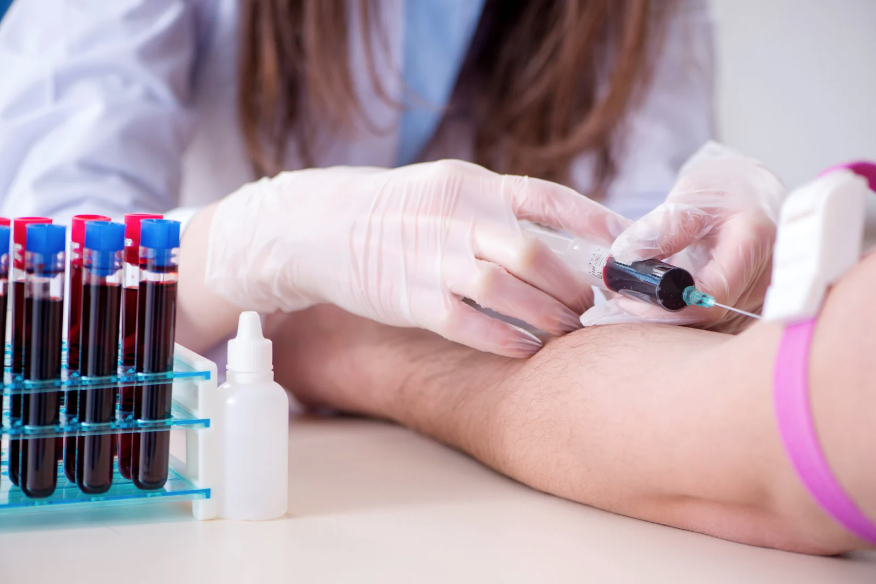
Blood testing can help identify:
Whether a person carries a HEXA gene mutation.
The activity of the Hex A enzyme, which is reduced in carriers and affected individuals.
For blood-testing and diagnosis information, you should contact a certified neurologist and make sure that your insurance coverage is conducive to treatments.
Facebook Group
The NTSAD Late Onset Tay-Sachs, Sandhoff and GM1 Facebook group is a support group for those looking to connect others who have recently been diagnosed, who are looking for support, and for general questions. (This group is independently run by NTSAD private group). Every year in April NTSAD has a conference in different locations of the country. This year, the Annual Family Conference will be held in Dallas, Texas on April 23-25, 2025. Learn more about the conference here. In addition, the last Wednesday of each month there is an NTSAD LOTS Zoom chat for supporting and connecting with each other.